Garden Clearance in Chingford
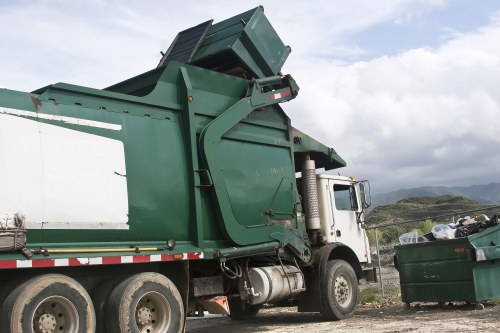
Our garden clearance in Chingford helps householders and landlords clear outdoor spaces in a practical, tidy way. We handle the lifting, sorting and removal of green waste and garden clutter so paths, patios, sheds and lawns can be brought back into usable condition. If you have a single overgrown section or a full garden that needs attention, we provide a straightforward service focused on removing what you no longer need and leaving the space ready for the next stage.
The work can include bags of cuttings, branches, hedge trimmings, old plant pots, broken outdoor furniture and general garden waste. Where items are suitable for reuse or recycling, we sort them accordingly. We also make sensible decisions about mixed loads, because outdoor clearances often contain both biodegradable material and harder items that need separate handling. For a clear idea of what to include, you can request a quotation after listing the main items and access details.
Many customers want a tidy result without having to organise a skip or spend a weekend hauling waste themselves. We can help when the job is a one-off seasonal clear-out, the aftermath of a landscaping project or a general outdoor reset before maintenance work starts. Our approach is designed to be efficient but careful, with attention to access, surfaces and the practical realities of clearing an active garden rather than an empty yard.
What our Chingford garden clearance service covers
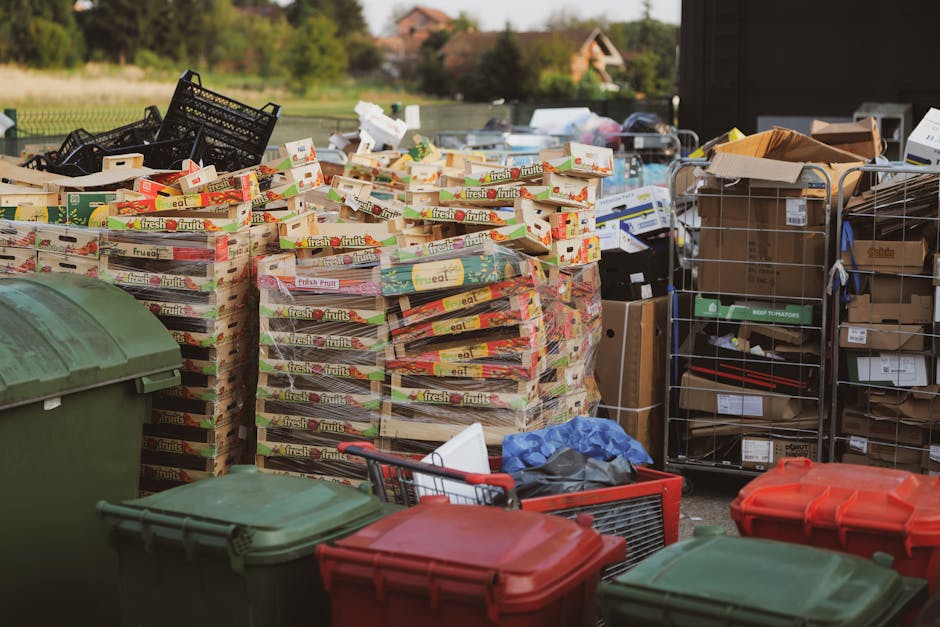
Garden clearances vary considerably, so the service is best understood as a collection of related tasks rather than one fixed process. We clear away organic waste such as grass cuttings, leaves, soil in manageable quantities, prunings and hedge cuttings. We also remove non-organic outdoor items that are no longer needed, including damaged planters, garden ornaments, broken screening and weathered timber. This makes it easier to deal with a neglected space in a single visit instead of arranging several separate collections.
Our garden clearance page is the best place to look if you want to keep the focus on outdoor waste removal in one place, while waste removal covers the broader service family for mixed domestic loads. Where the garden job involves older household pieces that have been moved outside, furniture clearance can be relevant too, especially for chairs, small tables or storage units that are no longer wanted. These pages help you see how different items are usually grouped before a quotation is prepared.
To make the quote process easier, it helps to note what is being removed, whether the material is bagged or loose, and whether there are narrow paths, steps or rear access points. A few brief photographs can be useful when the garden contains mixed waste or awkward bulkier items. That is usually enough detail for us to estimate the work sensibly and avoid assumptions about the volume or handling required. Clear access information is especially useful when the waste must be carried through the home or along a side passage.
Green waste, branches and overgrowth

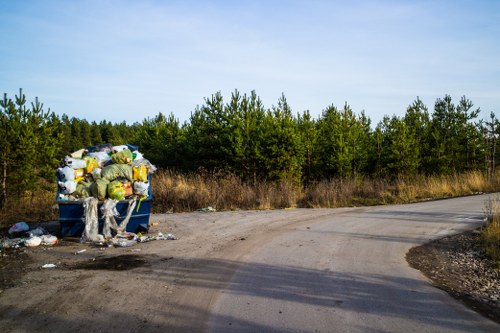
One of the most common reasons people arrange clearance is the build-up of organic material after pruning, seasonal maintenance or an extended period without gardening. Overgrown beds, fallen branches, ivy cuttings and piles of leaves can take up far more space than people expect, and they can become awkward to manage once they are wet or compacted. We remove these materials as part of a sensible, workmanlike clearance that focuses on both removal and responsible sorting.
Where the waste is largely green, the job is often quicker because the load is predictable and easier to separate. That said, real gardens rarely contain only one type of material. You may have bags of clippings alongside old compost sacks, broken canes, soil-filled pots or wood from removed borders. By grouping the items properly, we can avoid unnecessary handling and ensure the clearance remains organised from start to finish. This is especially helpful if the space has not been maintained for a while.
Useful garden materials for us to remove often include hedge trimmings, branches, lawn cuttings, dead plants, weeds pulled from beds, roots lifted from shallow borders and loose garden waste gathered after tidying. Heavier material may need to be assessed separately if it contains dense soil, rubble or timber. If your clearance includes a mix of waste types, mention that mix early so the quotation can reflect the actual work rather than a narrow assumption about garden waste alone.
Outdoor clutter, old fixtures and mixed items
Garden areas often store items that are not strictly green waste but still need removing because they have become damaged, outdated or no longer useful. This can include cracked plant pots, broken fencing sections, unused decking offcuts, rusted metal pieces, empty compost bags, children’s play items that have been left outside and general outdoor clutter gathered over time. We treat these as part of a broader clearance, with care taken to separate different materials where that is practical.
Garage clearance can be useful to consider if the outdoor space has become a holding area for tools, boxes or household overflow, while home clearance is the broader option when the work stretches beyond the garden itself. For loft or attic overflow that has been moved outside for sorting, loft clearance may also be relevant as a related domestic service. These connections matter because many jobs begin in the garden but are really about removing accumulated items from several parts of a property.
When mixed items are involved, the main question is not simply how much there is, but how the load is arranged. Items stored under tarpaulins, stacked in a shed or spread across different corners may take longer to gather safely than a single pile by the gate. If you can describe the arrangement clearly, we can judge whether the work is a simple lift-and-remove task or a more involved clear-out requiring extra sorting on site.
Preparing a quotation for your garden waste
A sensible quotation is usually based on the type of waste, the amount to be removed and the conditions on site. Factors such as driveway access, gate width, steps, muddy ground and the distance from the waste to the loading point all influence how the clearance is carried out. If the garden is enclosed or the waste is spread across several areas, that can affect the time needed as well. A clear description helps keep the estimate aligned with the real job.
Two pieces of information are often enough to begin with: what you want removed and where it is located. If you can also say whether the waste is dry or damp, bagged or loose, and whether there are items that must be dismantled first, the estimate becomes more accurate. For larger clearances, a brief inventory can be useful. For smaller ones, a short message may be perfectly adequate. Either way, the aim is to match the quote to the work rather than to guess.
We recommend sending a concise description first and adding more detail only where it changes the job. That keeps the process simple and avoids unnecessary back-and-forth. If you are comparing different ways to clear the space, you may also want to look at pricing and quotes, which provides a straightforward route to discuss the scope before the work is arranged. Once you know what should be included, the next step is simply to ask for a quotation in plain terms.
Garden waste, recycling and responsible sorting

Outdoor clearances are not only about removing waste from a property; they are also about sorting the load properly so different materials are treated in suitable ways. Green waste, timber, rigid plastics, metals and mixed household items should not all be assumed to belong together. By separating items where possible, the clearance can be handled more sensibly and with less unnecessary disposal confusion. That practical approach matters whether the garden contains a small amount of debris or a larger mixed pile.
If you want to understand how the business approaches waste handling more generally, recycling and sustainability explains the broader principles that sit behind sorting and disposal decisions. For jobs that involve bulky outdoor pieces, such as old seating or broken storage, furniture disposal may also be relevant alongside the main garden work. And when the load is mainly domestic waste rather than outdoor material, house clearance can sometimes be the more appropriate service category.
Responsible sorting is particularly useful where the garden contains items that have been left outside for a long period. Weathering can obscure what the material is made from, and some objects become fragile or broken in ways that make handling less straightforward. We therefore treat mixed loads carefully, with attention to what can be removed together and what is better separated. That keeps the process organised and reduces the chance of avoidable mishandling.
Questions customers often consider before booking
Will everything be taken in one visit? Often, yes, if the material is clearly described and access is workable. Larger or more complicated clearances may need a bit more planning, especially where waste is spread over a wide area or contains several different material types. How quickly can the job be arranged? That depends on the size and shape of the clearance, as well as the information provided at the quotation stage. Clear details help us identify the sensible scope for the work.
A few practical details tend to be the most useful: the approximate volume of waste, whether any items are heavy or awkward, and whether the removal point is close to where the items are stored. If there are soft surfaces, delicate paving or tight turns along the route out of the garden, it is worth mentioning them. These are not complications to worry about; they simply help the quotation reflect the real handling required. That is the best way to keep expectations clear from the start.
If the clearance is part of a bigger tidy-up, you may also want to ask about related waste categories so the work can be grouped sensibly. A straightforward conversation is usually enough to decide whether the job sits entirely within garden clearance or whether it should be treated as a mixed domestic removal. When in doubt, a brief description is still the best starting point, followed by a quotation based on the actual items involved.
About Chingford
Chingford is a district in north-east London, sitting on the edge of Epping Forest and forming part of the London Borough of Waltham Forest. Its identity is closely linked to both the forest edge and the growth of suburban London, with the area developing from older village roots into a settled residential district. The historic high street and surrounding roads reflect that layered development, where older buildings and later housing stand alongside everyday local amenities. Chingford Mount and the broader town centre give the district a busy commercial core, while the areas nearer the forest feel more open and green. The landscape around the district is one of its defining features: Epping Forest provides extensive woodland and walking routes, and the presence of reservoirs, open spaces and mature tree cover gives the locality a noticeably greener character than many parts of inner London. The area also has strong transport connections, including rail services and road links that have made it a practical place for commuting while still retaining its own distinct local identity. Historically, Chingford is associated with royal hunting in the forest and with leisure use of the surrounding landscape, and traces of that wider heritage remain visible in the way people use the area today. Churches, schools, parks and community facilities are spread through the district, giving it a mix of neighbourhood life and access to larger green corridors. This combination of suburban streets, older centres and forest edge makes Chingford an area with a varied streetscape rather than a single uniform form.
Indoor and outdoor clearances around the property

Some customers arrange a garden clearance alongside other clearance work because items have spread beyond the outdoor space. Old plant pots might sit in a shed, broken furniture may be stored under cover, or a garage may contain tools and household overflow that need sorting before the outside area can be cleared properly. We can work with that broader picture where needed, provided the scope is clearly described. The aim is to make the removal process coherent rather than treating each corner of the property as a separate problem.
When comparing service types, it can help to think in terms of where the items are located and what they consist of. Flat clearance is a better match for internal living spaces, while office clearance is designed around work premises and their contents. For commercial sites that have accumulated waste outside, business waste removal may be more relevant. If you only need a single category removed, we keep the job focused on that service rather than adding unnecessary extras.
Whatever the layout of the property, the most useful approach is to describe the main areas that need attention and the type of items each contains. That helps us determine whether the work is a straightforward garden clearance, a mixed domestic removal or a wider combination of tasks. When you are ready, ask for a quotation and describe the space in plain language so the scope can be matched properly.
Choosing the right service for the waste you have
It is not always obvious whether a job belongs under garden clearance or another removal category, especially if the items have been moved around during a larger tidy-up. A quick way to decide is to look at the main material group. Green waste and outdoor clutter usually point to the garden service, while household furniture, indoor contents or office items suggest a different page may be more suitable. The more clearly the waste can be described, the easier it is to place the job correctly.
For example, a pile of hedge cuttings and broken planters is a standard garden job, but a shed packed with mixed domestic belongings may need a broader clearance plan. If you are not sure, you do not need to over-explain; simply list what is present and where it is located. That gives enough context to identify the likely service and prepare a useful estimate. In many cases, a short note is better than a long guess.
If the clearance also touches on safety or handling questions, you may find it helpful to review health and safety and insurance and safety before arranging the work. These pages are there to explain the general approach to careful handling and organised removal. The final step, though, remains simple: tell us what needs taking away and request a quotation when you are ready.
Contacting us about garden clearance in Chingford
When you are ready to arrange garden clearance in Chingford, it helps to keep your enquiry concise and focused on the practical points. Say what needs removing, whether the waste is loose or bagged, and whether access involves steps, side passages or shared routes. If there are any unusually heavy, bulky or awkward items, mention those too. A few clear details are usually enough to begin the conversation and shape an estimate that reflects the real work involved.
For customers who want to understand wider company details before making contact, about us gives a general overview, while contact us is the straightforward place to begin a quotation request. If you prefer to check how requests are handled, the site also includes complaints procedure and payment and security information. These pages are not needed for every enquiry, but they can be useful if you want to review the basic information first.
Whether the task is a seasonal tidy-up, a post-project clear-out or a long-delayed reset of an overgrown space, we are ready to help with the removal side of the work. Keep the description practical, mention the main items and ask for a quote in the way that suits you best. Request a quotation when you are ready to move forward.